Quick answer: Renting a phone for China travel is still a real, current service in 2026 — but it's run by third-party travel companies, not China Mobile itself. Typically you get a phone shipped to you (or handed over at pickup) already set up with a local number, data plan, and often apps like WeChat and Alipay pre-installed. For most travelers with a modern phone, an eSIM is simpler and usually cheaper — phone rental mainly makes sense if you don't want to use your own device, or your phone isn't eSIM-capable.
This page previously described phone rental as if it were a China Mobile service, using per-minute IP dial codes for discounted international calling. That specific model is gone — IP-dial calling has largely been replaced by app-based calling that doesn't need a special access code. But the broader idea of renting a phone for a China trip never actually went away; it's just always been run by independent travel companies rather than the carrier.
Ordering is typically done online, with the phone shipped to your home a few days before departure via courier, or available for pickup at the airport or your hotel depending on the provider. Return usually involves a prepaid package or envelope, or an airport drop-off point.
A handful of established travel-tech companies operate in this space, including Cellular Abroad, BeeZeeTrip/RentAPhone, and PandaPhone. We don't have an affiliate relationship with any of them, so nothing below is an endorsement — pricing, device selection, and terms all vary and change, so it's worth comparing current offers directly on each provider's site before booking rather than relying on older reviews (including this one, over time).
| Phone rental | eSIM | Physical SIM | Shared hotspot | |
|---|---|---|---|---|
| Uses your own phone | No | Yes | Yes | Yes (connects to it) |
| Includes a number | Usually | Rarely | Yes | No |
| Setup effort | Low — arrives ready | Low — install before arrival | Moderate — register in person or online | Low — join like WiFi |
| Best for | Avoiding use of your own device | Solo travelers, modern phones | Longer stays, need a number | Groups sharing one connection |
If cost and simplicity matter more than avoiding use of your own device, our eSIM vs. physical SIM guide is the more common path for most travelers. If you're a group wanting to split one data connection, see our MiFi hotspot rental guide instead.
No, not directly to individual travelers. Phone rental for China is offered by third-party providers rather than the carriers themselves, and has been for some time — this page previously implied a China Mobile-run service, which isn't accurate.
The old per-minute IP-dial-code system for cheaper international calling is gone, replaced by app-based calling (WeChat, WhatsApp, FaceTime) that most rented phones already support. Many current providers also include a built-in VPN and pre-installed China apps, which wasn't standard in the older rental model.
For most travelers with a modern, unlocked phone, an eSIM is simpler and usually cheaper. Phone rental is worth considering if you don't want to use your own device in China, your phone isn't eSIM-capable or unlocked, or you specifically want pre-installed local apps without setting them up yourself.
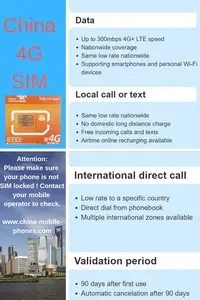
Typically yes — most rental providers include a local Chinese number along with data and sometimes call minutes, unlike a data-only eSIM or pocket WiFi rental.
This page contains no affiliate links. Provider mentions are informational only, not endorsements — pricing and terms change, so confirm current details directly with any provider before booking. Last checked August 2026.



Sep 15, 26 07:27 AM

Sep 12, 26 05:43 AM
Sep 11, 26 07:30 AM
To keep up to date, including special offers, please sign up our monthly service guide
Don't worry — your e-mail address is totally secure.
I promise to use it only to send you China Mobile Phones Service Monthly Guide.
%20than%20renting%20a%20European%20GSM%20phone%20from%20a%20service%20based%20in%20the%20U.S.%2C%20check%20it%20out%20for%20yourself%20before%20you%20order.%20%23china%20%23chinatravel%20%23traveltips)