China MiFi & Pocket WiFi Hotspot Rental: What to Know Before You Book
By Harry Cheng · Founder, China-Mobile-Phones.com · Updated August 2026
Quick answer: As of August 2026, MiFi/pocket WiFi hotspot rental is a real, current service for China — a shared device connecting 5–10 gadgets at once, picked up at the airport or delivered to your hotel. It's most worth it for groups splitting one connection; a solo traveler usually does better with an eSIM. Battery life runs about 4–5 hours, and a VPN isn't included by default.
Who a rented hotspot actually makes sense for
A MiFi/pocket WiFi device is a shared resource — one SIM's worth of mobile data, broadcast as a local WiFi network that 5 to 10 devices can join. That's the entire case for renting one instead of getting individual eSIMs: a family or small group traveling together can split the cost of one hotspot rather than buying separate data plans for every phone, and the per-person cost often ends up lower than four or five individual eSIMs would. A solo traveler doesn't get that benefit, and carries an extra device, a deposit, and a return deadline for no real upside over an eSIM.
How the rental process works
Book online in advance. A few business days ahead is typical; popular airport pickup windows can sell out during Chinese public holidays and peak travel season.
Pick up or arrange delivery. Airport counters exist at Beijing Capital, Shanghai Pudong/Hongqiao, and Guangzhou Baiyun, among others; hotel delivery is also common, sometimes with same-day service in major cities if ordered early.
Connect like any WiFi network. No SIM swap or phone settings changes needed — join the hotspot's network the way you would any WiFi.
Return it before the deadline. Airport drop-off or a prepaid mail-back envelope, depending on the provider. Late returns typically trigger a fee, so it's worth confirming the exact deadline at pickup.
Who offers this — informational, not a recommendation
Several providers actively rent pocket WiFi/MiFi devices for China as of August 2026, each with a different trade-off. Roaming Man is typically the most budget-friendly starting point, priced by the day, though it doesn't include a VPN. Trip.com WiFi offers unlimited 4G data with straightforward airport pickup, also without a built-in VPN. BeFreeTour prices by the week rather than the day, which can work out cheaper for longer trips, but pickup is limited to select airports with no delivery option. Travelers WiFi stands out as one of the few that includes VPN access in its base plan rather than as a paid add-on. 3G Solutions offers hotel delivery across major cities in addition to airport pickup. Yoowifi provides unlimited data with delivery arranged a few days ahead of travel.
We don't have an affiliate relationship with any of these providers, so nothing here is an endorsement — pricing, VPN inclusion, and pickup locations all change, so confirm current terms directly on each provider's site before booking.
Coverage and battery: what to actually expect
Typical MiFi/pocket WiFi hotspot specs for China rentals
Factor
What to expect
Connected devices
5–10 devices simultaneously (speed drops as more devices share the connection)
Coverage
Follows China's 4G/5G network — solid in cities and most tourist areas, patchier in remote/mountainous regions
Battery life
Roughly 4–5 hours continuous use — bring a power bank for full-day outings
VPN
Not included by default in most plans — needed separately for blocked sites/apps
Typical cost
A few dollars per day plus a refundable deposit; a one-week trip often totals $80–150 once fees are included
If your itinerary includes remote or mountainous areas — rural Yunnan, parts of Tibet, or similar — it's worth checking a provider's coverage map against your specific route before booking, since mobile network coverage (and therefore hotspot performance) thins out well before city-level connectivity does.
Frequently asked questions
How many devices can connect to one China MiFi hotspot?
Most rental hotspots support 5 to 10 connected devices at once, though actual usable speed drops as more devices share the connection simultaneously.
Does a China pocket WiFi hotspot work outside major cities?
Coverage generally follows China's 4G/5G mobile networks, so it works in most cities and many tourist areas, but can be patchy in remote or mountainous regions. Checking your specific itinerary against the provider's coverage map before booking is worthwhile for rural trips.
How long does a rental hotspot's battery last?
Typically around 4 to 5 hours of continuous use. For a full day of sightseeing, carrying a power bank or turning the device off between uses is recommended.
Can I use a China hotspot to access Google or other blocked sites?
Not without a VPN. A rented hotspot connects to China's local network, which is subject to the same content restrictions as any other local connection — a VPN installed on your own devices, not the hotspot itself, is what gets around that.
Is a MiFi hotspot better than an eSIM for a family trip?
For a group who wants to share one data connection rather than buy separate eSIMs for each phone, a hotspot can be more convenient and sometimes cheaper per person — though it also means everyone loses connectivity together if the device runs out of battery or is left behind.
Harry Cheng has run China-Mobile-Phones.com, an independent, non-carrier-affiliated resource on China SIM cards, eSIMs, and carrier services, since 2003. Pricing and logistics details on this page reflect typical current third-party rental providers, not China Mobile directly, and may vary — always confirm specifics with your chosen provider before booking.
More about Harry & this site »
This page contains no affiliate links. Pricing and coverage figures are typical ranges compiled from current third-party rental providers; last checked August 2026.
Enjoy this page? Please pay it forward. Here's how...
Would you prefer to share this page with others by linking to it?
Click on the HTML link code below.
Copy and paste it, adding a note of your own, into your blog, a Web page, forums, a blog comment, your Facebook account, or anywhere that someone would find this page valuable.
Find every China Mobile service hall in Changsha — 32 halls across Furong, Tianxin, Yuelu, Kaifu, Yuhua and 4 outer districts. Addresses, phones and hours updated 2026.



 Find every China Mobile service hall in Changsha — 32 halls across Furong, Tianxin, Yuelu, Kaifu, Yuhua and 4 outer districts. Addresses, phones and hours updated 2026.
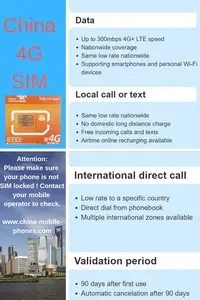 Prepaid China 4G Sim card is a fast data connection solution in China for people on move