Best SMTP Relay Service for China Business (2026)
🔑 Key Takeaways
Why This Matters in 30 Seconds
Email delivery to China fails more often than most businesses realize.
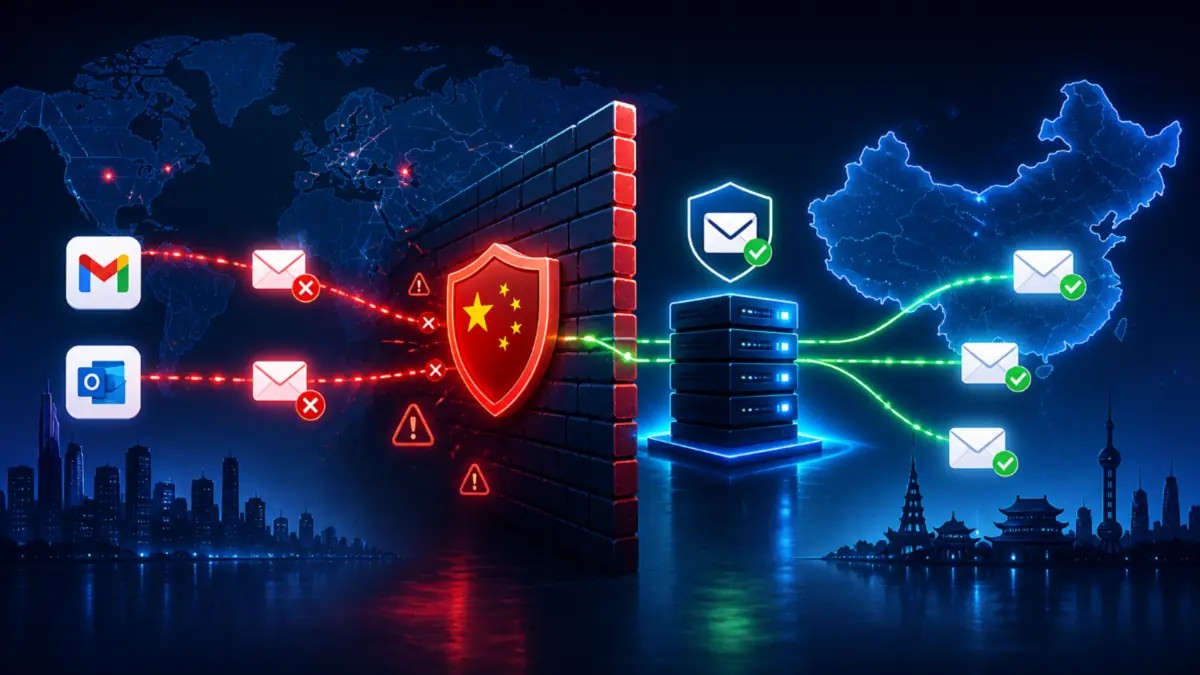
The Great Firewall disrupts foreign email traffic. Chinese inbox providers filter unfamiliar senders aggressively. Gmail and Outlook use shared IP addresses that Chinese spam filters do not trust.
The result is silent email failure. Your emails appear sent. They never arrive.
A dedicated SMTP relay service fixes this problem directly. It routes your emails through trusted IP addresses, authenticates your domain correctly, and delivers your messages to Chinese inboxes reliably.
This guide compares the seven best SMTP relay providers available in 2026. It explains exactly what to look for, which provider wins for China-focused businesses, and how to set everything up in 15 minutes.
If your business depends on email communication with China — this is the most important infrastructure decision you will make this year.
What This Guide Covers
- Why email delivery to China is fundamentally different
- Why Gmail and Outlook are not reliable for China business email
- What separates a good SMTP relay provider from a poor one
- A full comparison of seven leading SMTP relay providers
- Why SMTP2GO is the top recommendation for China-focused businesses
- A step-by-step setup guide for WordPress, WooCommerce, and Outlook
- SMTP2GO pricing explained clearly — including the free plan
- A final verdict with a clear recommendation
Why Email Delivery to China Is Different
The Great Firewall Disrupts Foreign Email Traffic
Sending emails to China is not like sending emails anywhere else.
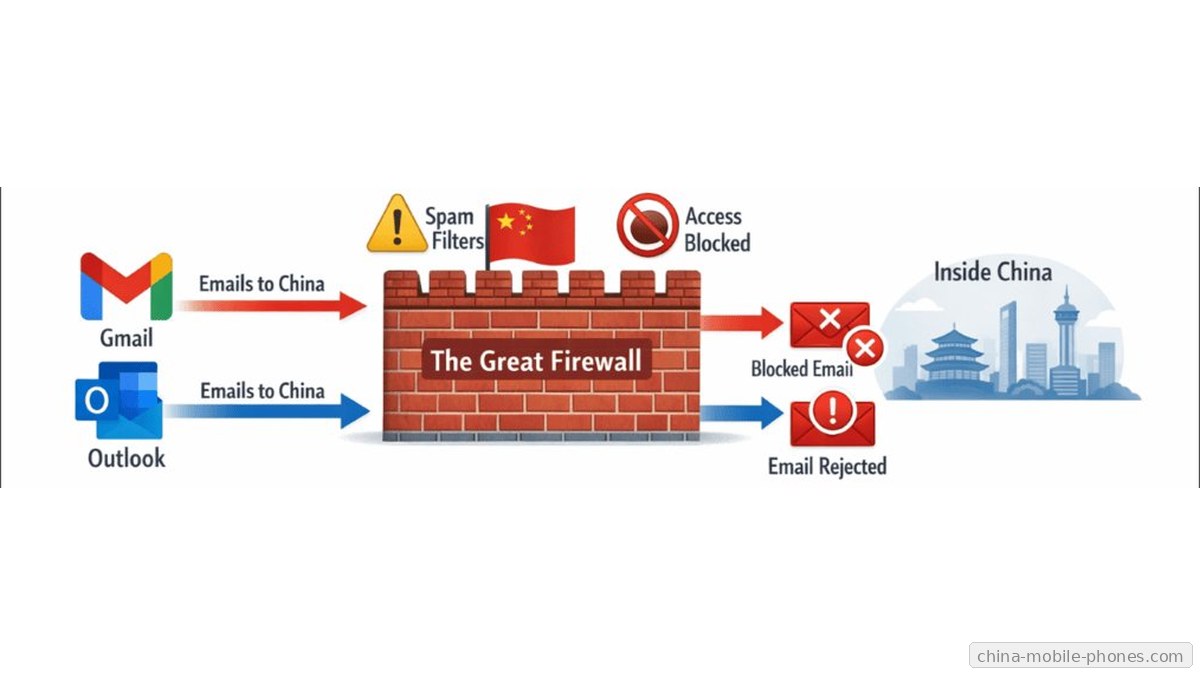
The Great Firewall of China does not just block websites, it disrupts foreign email traffic too. Chinese internet providers distrust unfamiliar international IP addresses. Emails from those addresses get delayed, filtered, or dropped entirely. The sender receives no error message. The email simply vanishes.
Chinese Inbox Providers Filter Foreign Senders Aggressively
Chinese inbox providers like QQ Mail, 163 Mail, and Sina Mail apply aggressive spam filtering against foreign senders. If your domain has no established sending history with these platforms, your emails go straight to spam. Your recipient never sees them.
Microsoft and Gmail Make Things Worse
Microsoft 365 users face additional problems. Corporate spam filters inside Chinese companies block external Microsoft relay traffic regularly. Gmail performs even worse — Google services are broadly restricted inside China, and Gmail's sending infrastructure struggles to route emails reliably to Chinese recipients.
Every Failed Email Costs Your Business Money
Every failed email carries a real business cost. A supplier misses your purchase order. A customer never receives their order confirmation. If you are traveling to China for business, staying connected goes beyond just email — your phone setup matters too. A payment reminder disappears before it reaches the right person. This is not a technical glitch. It is how China's digital infrastructure operates. Businesses that understand this early protect their revenue. Businesses that ignore it lose money quietly — one undelivered email at a time.
Why Gmail and Outlook Are Not Enough
Shared Infrastructure Kills China Deliverability
Most businesses start with Gmail or Outlook. For reading and replying to emails, both tools work perfectly well. For sending business-critical emails to China, they consistently fall short.
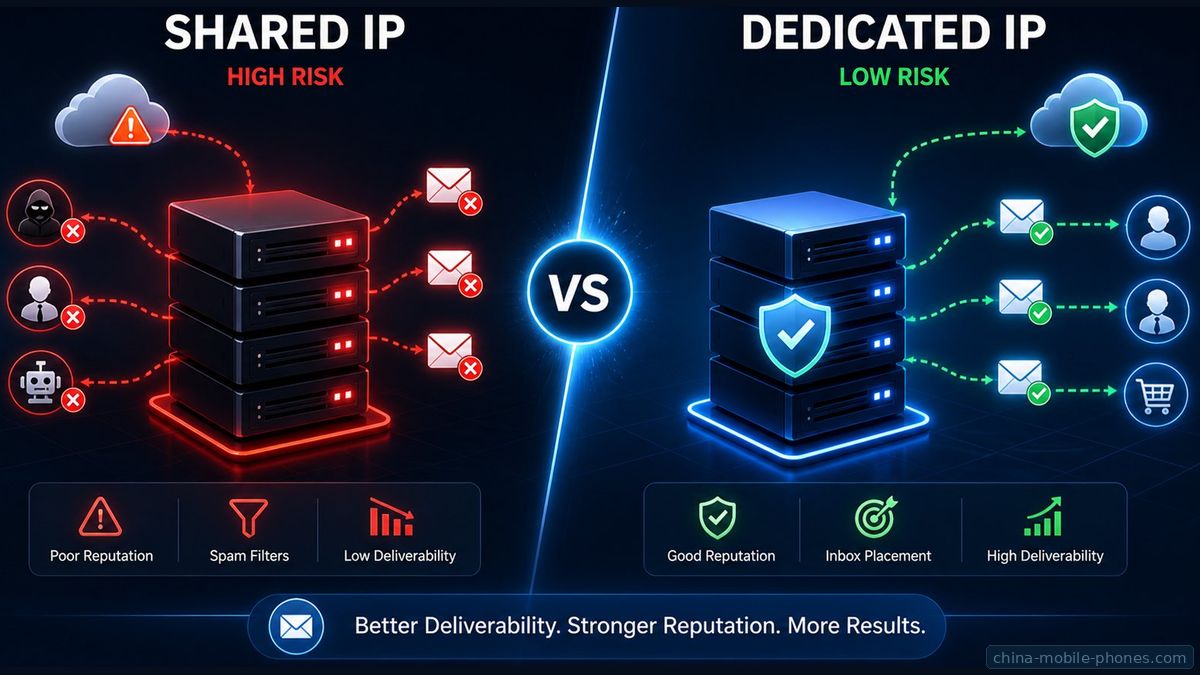
Gmail and Outlook use shared sending infrastructure. For a full breakdown of how email works in China and which services are accessible, see our complete guide. Millions of users share the same IP address pools. Chinese mail servers apply aggressive filtering to this traffic. Your legitimate invoice looks identical to spam because it arrives from the same IP range as spam.
Daily Sending Limits Interrupt Business Operations
Daily sending limits create another problem. Gmail personal accounts cap at 500 emails per day. Google Workspace accounts reach 2,000. A growing ecommerce business sending order confirmations, shipping updates, and invoice reminders hits these limits faster than expected. When the limit is reached, emails queue or stop sending entirely.
Shared IP Reputation Puts You at Risk
Shared IP addresses mean shared reputation. If another sender on your IP pool sends spam, your deliverability suffers too. Chinese spam filters penalize the entire IP range — your legitimate emails get caught in the crossfire.
Microsoft Is Retiring Basic SMTP Authentication
Microsoft is retiring Basic Authentication for SMTP connections in Exchange Online. Businesses using Outlook to send automated emails — order confirmations, CRM notifications, accounting software alerts — face broken connections without warning.
Gmail and Outlook are communication tools. They are not sending infrastructure. If you are still accessing email in China through Outlook or a VPN, this guide explains a more reliable long-term solution. For any business depending on reliable email delivery to China, they introduce too much risk.
What Makes a Good SMTP Relay Provider
Inbox Placement Rate Matters More Than Delivery Rate
Not all SMTP relay services deliver equal results. Inbox placement rate is the most important metric. Delivery rate and inbox placement rate are not the same. A provider can claim 99% delivery while sending half your emails to spam. Always verify inbox placement — not just delivery.
Dedicated IP Addresses Protect Your Reputation
Dedicated IP addresses give your business full control over sender reputation. Shared IPs mean shared risk. A dedicated IP means your sending behavior determines your reputation — nobody else's.
SPF, DKIM, and DMARC Support Is Non-Negotiable
Chinese mail servers check all three authentication standards. Without them, your emails fail authentication and go directly to spam. A good provider makes configuring all three simple and straightforward.
Platform Integration and Support Complete the Picture
Your SMTP relay must connect with WordPress, WooCommerce, Shopify, and your CRM without friction. Transparent pricing, responsive human support, and China-friendly delivery infrastructure complete the picture. A good provider shows you exactly what you pay at every volume level — and answers your questions fast when problems arise.
Best SMTP Providers Compared
The Seven Providers That Dominate This Market
Seven providers dominate the SMTP relay market in 2026. Each serves a different type of business.
SMTP2GO suits SMBs, ecommerce stores, and agencies communicating with China. Setup is fast. China deliverability is strong. Support is responsive. Pricing is fair.
SendGrid suits mid-size businesses and developers handling high sending volumes. China deliverability is inconsistent compared to providers optimizing specifically for Chinese routing.
Mailgun suits developers building email into custom applications. Its API is powerful but its learning curve is steep. Non-technical users find it harder to configure than alternatives.
Amazon SES suits developers and high-volume senders prioritizing ultra-low cost. At $0.10 per 1,000 emails, pricing is unbeatable. However, setup requires significant technical knowledge. Support is minimal.
Postmark suits businesses prioritizing transactional email speed. Delivery is fast for Western inboxes. China-specific performance data is limited. Pricing is higher than comparable alternatives.
Brevo suits small businesses wanting combined marketing and transactional email in one platform. China performance is inconsistent.
MailerSend suits startups and early-stage businesses testing their email setup. Its free plan is generous. China deliverability data is limited compared to more established providers.
Side-By-Side Comparison
For China-focused email delivery combined with simple setup and fair pricing, SMTP2GO leads this comparison clearly.
Try SMTP2GO Free — No Credit Card Required →
Why I Recommend SMTP2GO for China-Focused Businesses

Deliverability Into Chinese Inboxes Is Proven
SMTP2GO earns this recommendation for specific, verifiable reasons — not generic praise. Its sending infrastructure maintains strong routing performance into Chinese inboxes. QQ Mail and 163 Mail recognize its IP addresses as trusted senders. Emails reach recipients' inboxes at significantly higher rates than emails sent through Gmail, Outlook, or shared hosting servers.
Setup, Reporting, and Reputation Management Work Together
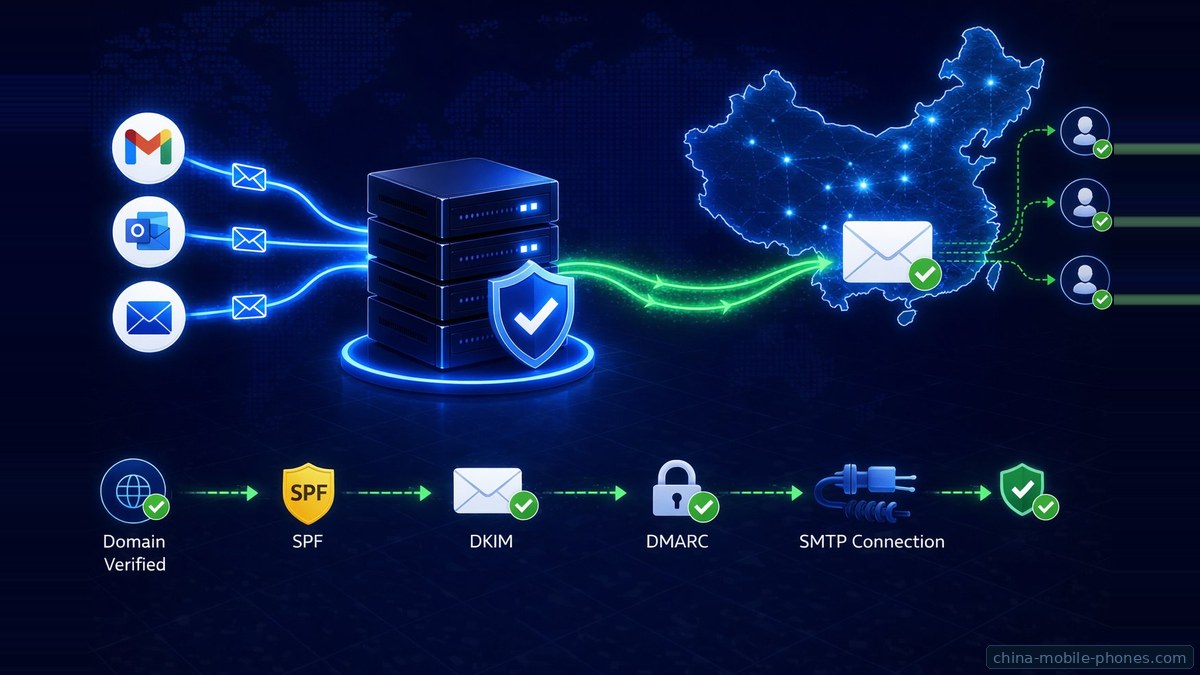
Setup takes minutes, not days. The onboarding process guides users through domain verification, SPF configuration, DKIM setup, and DMARC policy step by step. No developer is required.
The dashboard provides complete visibility. Delivery rates, bounce reports, and spam complaints appear in real time. SMTP2GO actively monitors sender reputation and alerts you when bounce rates climb before they damage your domain permanently.
Support and Reseller Opportunities Add Extra Value
Support responds quickly with real answers. When your WooCommerce emails stop delivering, you reach a person — not an automated response system.
For agencies, SMTP2GO's reseller program allows managing multiple client accounts under one dashboard, creating an additional recurring revenue stream for clients operating in China.
SMTP2GO is not perfect for every situation. Amazon SES beats it on price at ultra-high volumes. Postmark delivers faster to Western inboxes. But for China deliverability, ease of setup, and overall value — SMTP2GO is the right choice for most SMBs and ecommerce businesses.
How to Set Up SMTP2GO in 15 Minutes
Step 1 — Create Your Account and Verify Your Domain
Visit SMTP2GO.com and create a free account. Confirm your email address to activate the dashboard. Navigate to Sender Domains and add your business domain. SMTP2GO generates SPF and DKIM DNS records automatically. Add these records to your domain registrar's DNS settings. Verification completes within minutes to two hours.
Step 2 — Complete Your Authentication Setup
Add a DMARC TXT record to your DNS: v=DMARC1; p=none; rua=mailto:you@yourdomain.com. This completes your full SPF, DKIM, and DMARC authentication setup. Chinese mail servers now recognize your emails as legitimate.
Step 3 — Connect WordPress and WooCommerce
Install the WP Mail SMTP plugin. Select Other SMTP and enter SMTP2GO's server details — host: mail.smtp2go.com, port: 587, encryption: TLS. Enter your SMTP2GO username and password. Send a test email to confirm delivery. WooCommerce automatically routes all its emails through WP Mail SMTP once this step is complete. No additional configuration is required.
Step 4 — Connect Outlook and Gmail
Update your outgoing server settings to mail.smtp2go.com on port 587 with TLS encryption. Enter your SMTP2GO credentials. Test by sending an email to a QQ Mail or 163 Mail address and confirm inbox delivery. Your setup is now complete. For reliable sending while you are on the ground in China, pair SMTP2GO with a China data SIM card or a roaming SIM to ensure uninterrupted connectivity.
SMTP2GO Pricing Explained
The Free Plan Gives You a Real Starting Point
SMTP2GO's free plan includes 1,000 emails per month permanently. No trial period. No credit card required. Full dashboard access included. This is enough volume to test China deliverability properly before committing to a paid plan.
Paid Plans Scale Predictably With Your Business
Paid plans start from approximately $15 per month for 10,000 emails. Higher tiers add dedicated IP addresses, advanced reporting, and priority support. Pricing scales predictably — no hidden fees. Upgrade when your monthly volume approaches 1,000 emails or when a dedicated IP becomes necessary to protect your sender reputation.
The ROI for Ecommerce Businesses Is Measurable
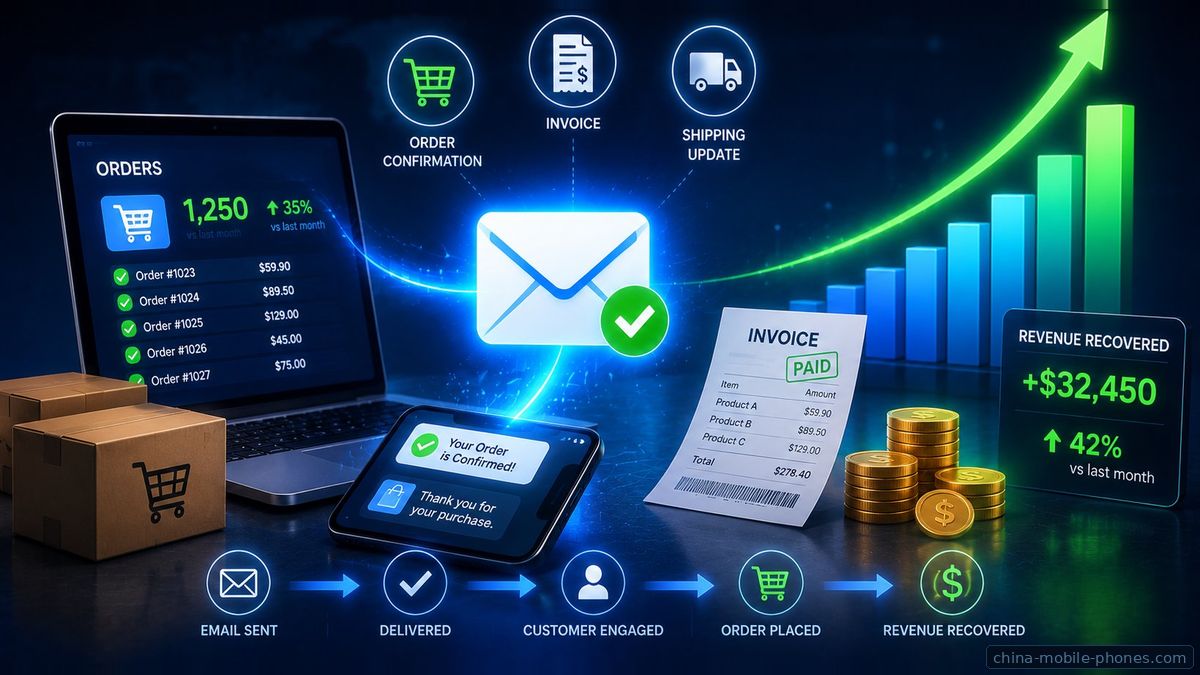
Improved China deliverability recovers emails that previously failed. Recovered emails mean recovered sales, faster payments, and stronger supplier relationships. For most ecommerce businesses, one recovered order per month covers the entire plan cost.
Final Verdict
SMTP2GO Is the Safest Choice for China Business Email in 2026
For businesses sending invoices, order confirmations, supplier emails, and customer support messages to China — SMTP2GO is one of the safest and most reliable SMTP relay choices in 2026.
No Other Provider Matches This Combination for SMBs
It combines strong China inbox performance, simple setup, fair pricing, and responsive support in one platform. No other provider on this list matches that combination for SMBs and ecommerce businesses specifically.
Start Today — Risk Free
Start with the free plan. Send test emails to QQ Mail and 163 Mail addresses. See the difference yourself.
Every email your business sends to China is a business transaction in progress. Protect it. And if you need a WiFi hotspot for your China trip to keep SMTP2GO running reliably while travelling, we have that covered too.
For businesses that depend on email communication with China, a dedicated SMTP relay is not optional.
Start with the free plan here →1,000 emails/month free · No credit card · Cancel anytime

Frequently asked questions

Harry Cheng is the founder of china-mobile-phones.com (est. 2003) and a specialist in mobile connectivity and internet access solutions for China.
You might like these
Email Not Working in China? Fix Gmail, Outlook & VPN (2026)
Gmail blocked in China? Discover simple ways to access email, avoid failures, and stay connected with or without a VPN in 2026.
How to Send China Email
Can we send China emails by regular email platform ? How to solve the problem we may meet. Should we use Chinese-based mailbox providers?


Recent Articles


-
China Mobile Changsha Locations: Service Hall Directory 2026
Sep 15, 26 07:27 AM
 Find every China Mobile service hall in Changsha — 32 halls across Furong, Tianxin, Yuelu, Kaifu, Yuhua and 4 outer districts. Addresses, phones and hours updated 2026.
 -
China 4G SIM card with international 4G standard FDD-LTE network
Sep 12, 26 05:43 AM
 Prepaid China 4G Sim card is a fast data connection solution in China for people on move
 -
China MiFi & Pocket WiFi Hotspot Rental: 2026 Guide
Sep 11, 26 07:30 AM
Renting a MiFi or pocket WiFi hotspot in China: coverage, group data sharing, pickup logistics, and battery life — everything to know before you book.
To keep up to date, including special offers, please sign up our monthly service guide
Don't worry — your e-mail address is totally secure.
I promise to use it only to send you China Mobile Phones Service Monthly Guide.